When the temperature hits the high 90s and your home stops feeling like a refuge, confusion spreads as fast as the heat. People in Manor TX hear a lot of advice about air conditioning, and much of it is wrong. I have worked on hundreds of systems in Central Texas and talked to homeowners who tried quick fixes that made problems worse. This article pulls apart the most persistent myths about AC repair in Manor TX, explains why they are misleading, and gives practical guidance for when to call a pro, what to expect, and how to avoid unnecessary expense.
Why this matters Climate here is unforgiving on equipment. A small oversight early in the season can become a full compressor failure by midsummer, and emergency repairs are both more expensive and more disruptive. Understanding what actually matters helps you protect comfort, keep energy bills reasonable, and extend the life of your system.
Myth 1: If the AC is blowing warm air, it is definitely the refrigerant Many homeowners hear warm air and assume the system is low on refrigerant. Low refrigerant can cause warm air, but more often the culprit is restricted airflow. Dirty evaporator coils, blocked return vents, a clogged filter, or a failing blower motor reduce the amount of cold air moving across the coil. When airflow drops, the coil can frost and the system will short-cycle or blow warm air.
How to tell the difference: a technician will check airflow first, inspect the coil and filters, and measure pressures if needed. Refrigerant leaks are never a routine maintenance top-up. If a leak exists, adding refrigerant without locating and repairing the leak is like pouring water into a bucket with a hole. That practice can violate EPA rules for commercial work and is a waste of money. Refrigerant repairs usually require leak detection, a repair, and then recovery, evacuation, and correct charging.
Myth 2: Repairing an old unit is always cheaper than replacing it That sounds logical but misses the trade-offs. A repair might cost a few hundred dollars today, but if the unit is more than 12 years old, has had frequent breakdowns, or uses R22 refrigerant, replacement may be the smarter financial move. Newer systems are significantly more efficient, which means immediate energy savings in the Texas heat. For example, upgrading from a 10 SEER to a 16 SEER system can reduce cooling costs noticeably; exact savings depend on house size, insulation, and thermostat settings.
Think of it as buying time versus buying certainty. A single expensive repair, like a failing compressor, can push a system over the line where replacement yields a lower cost over the next five years. Ask for an honest cost-benefit: one clear estimate for repair with expected remaining life, and one for replacement including installation and projected seasonal savings.
Myth 3: You can pick any technician — all AC techs are the same There is a big difference between a weekend handyman and a licensed HVAC technician. In Manor TX, you want someone who knows local codes, has experience with the makes common in this market, and carries liability insurance. Some Contact Us signs of a reputable company include clear pricing, a written estimate, references, and technicians who can explain diagnostics without jargon.
A real technician will use calibrated gauges, measure amps on the compressor and blower motor, check static pressure across the coil, and inspect duct leakage where relevant. They will also be able to explain trade-offs. For instance, replacing a single failing capacitor is quick and cheap, but if the motor bearings are shot and the capacitor keeps blowing, simply swapping caps becomes a recurring cost.
Myth 4: Regular maintenance is not worth the money Skipping yearly tune-ups is one of the most expensive mistakes. A basic preventive service — cleaning the condenser, straightening fins, checking refrigerant charge, inspecting electrical connections, lubricating motors where applicable, and switching out a filter — typically costs a fraction of a major repair. Preventive maintenance catches small issues before they grow and keeps efficiency from degrading.
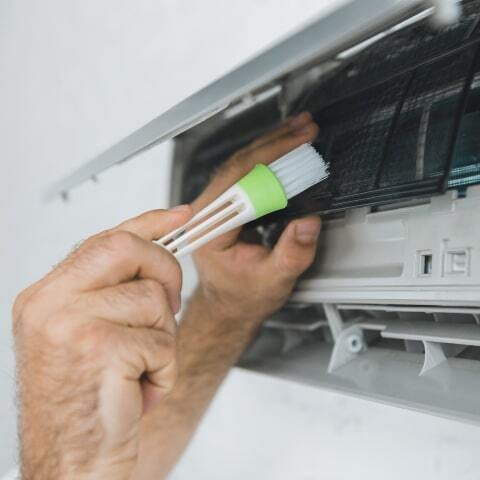
A practical example: I worked on a townhouse where the owner had not scheduled service for four years. The outdoor unit had a plugged condensation drain, the blower wheel was clogged with dust, and the contractor found a worn capacitor and a small refrigerant leak. The total repair cost was higher than the annual maintenance they had skipped for four seasons. Regular checks also extend warranty eligibility on some systems; manufacturers often require annual service to maintain parts coverage.
Myth 5: Turning the thermostat off when you leave saves the most money Thermostat strategy is more nuanced. Turning the AC off completely can save energy only if you tolerate higher indoor temperatures while away. But letting indoor temperature drift excessively forces the system to work harder to recover when you return, which can spike electricity use and shorten equipment life. Programmable and smart thermostats create a balance: raise the temperature a few degrees during the day and start cooling 30 to 45 minutes before you return.
In Manor TX summer, a reasonable rule is to set back 3 to 6 degrees instead of turning the system off. That approach lowers energy use while avoiding extreme humidity buildup, which can cause mold and increase strain on the system when it restarts.
Myth 6: All refrigerants are the same and refills are straightforward Refrigerants have changed a lot in the last decade. Older systems may use R22, which is being phased out and has become expensive to service because supplies are limited. Most newer systems use R410A or other modern refrigerants. A technician must match the refrigerant type to the system; converting systems from one refrigerant to another is not a simple top-up and can require compressor changeouts and other retrofits.
If you own an older home with an R22 unit, weigh repair costs against replacement. R22 repairs may be reasonable for a few years, but if a major component like the compressor fails, replacement with a system using current refrigerant is often the better long-term solution.
Myth 7: Bigger AC units cool faster and are better for comfort Bigger is not always better. Oversized units short-cycle, which is when the system turns on and off frequently. Short cycling reduces dehumidification, makes the home feel clammy, increases wear on components, and reduces efficiency. Proper sizing considers the house envelope, orientation, window area, insulation, and local climate data. A reputable contractor performs a Manual J load calculation to determine the correct capacity.
I once measured an installation where a 4-ton unit had been placed instead of a properly sized 3-ton unit. The homeowner thought they were buying "more cooling," but they suffered from constant on-off cycles and higher bills. A correctly sized unit ran longer cycles, maintained humidity, and provided steadier comfort.
Myth 8: You should wait until it breaks to call for emergency AC repair near me Waiting for a breakdown increases the odds of needing emergency service during peak heat, when prices are higher and technicians are stretched thin. If you notice unusual noises, high energy bills, persistent humidity, or uneven cooling, call a technician sooner rather than later. Early diagnosis can prevent an emergency.
If you do need emergency AC repair in Manor TX, expect the urgent call to carry a premium. That fee pays for evening or weekend labor and expedited parts sourcing. A local company that offers reliable emergency response and transparent pricing can save the day. Companies like ATX Heating & Air Conditioning LLC provide emergency repair options and can often diagnose remotely before arrival to prioritize parts.
Practical checks you can do safely You do not need to be an expert to run a few safe checks before calling for service. These checks avoid unnecessary service calls and help you describe the problem accurately to a technician.
Checklist for initial troubleshooting:
- visually inspect circuit breakers and the thermostat settings check and replace the air filter if dirty ensure outdoor unit is not blocked by debris, grass, or icicles of frost listen for unusual sounds such as grinding, hissing, or loud rattles note whether the problem is whole-house or limited to one zone
Keep this list in a visible place. When you call for AC Repair in Manor TX, describing what you have already checked saves diagnostic time and helps the technician come prepared.
What reputable service looks like in Manor TX A good local contractor will give you options, not a single hard sell. Expect a written estimate, clear timeline, and explanation of the work to be done. For repairs, they should list labor warranty length and parts warranty. For installations, expect discussion of load calculations, duct condition, thermostat compatibility, and indoor air quality options.
Ask these questions when a tech arrives:
- Do you have a license and proof of insurance? Will you test-run the system and provide performance numbers? How long are parts and labor warranties? Can you show the existing refrigerant charge and pressures?
Transparent technicians will measure and explain, rather than quoting a flat price without diagnosis. They will tell you when temporary fixes are being used and when a more permanent replacement is recommended.
Price realities and budgeting Costs vary widely based on the issue. A routine capacitor or contactor replacement might run a few hundred dollars. A busted compressor can be a much larger expense, often running into the low thousands, and that is the point where replacement becomes worth considering for an older unit. New system installations vary by efficiency level, ductwork complexity, and the housing layout; a typical full replacement for a single-family home in this region can range broadly depending on those factors.
Ask for line-item estimates. A line-item quote shows the price for parts, labor, and any additional work like duct sealing. It helps you compare proposals and see where cost differences come from.
When to choose repair versus replacement Repair makes sense when the system is relatively young, the repair is not overly expensive, and the rest of the system is in good shape. Replacement is a better choice when the unit is approaching the end of its expected life, repairs are recurrent, or the system uses obsolete refrigerant. If you plan to stay in the house for the next seven to ten years, investing in a modern, efficient system often pays off.
I recommend getting both numbers: repair cost and a replacement estimate. For replacements, ask about seasonal energy efficiency ratio, expected annual savings, and financing options if needed. Many local companies offer financing and seasonal promotions; verify the fine print.
How to avoid scams and low-quality workmanship Scams often start with high-pressure tactics, superficial diagnostics, or offers that sound too good to be true. Be wary of companies that insist on full replacement before providing a written diagnosis, or those that refuse to show credentials. If a quote is dramatically lower than others, ask why. Cheap materials or short warranty periods are common trade-offs that often cost more in the long run.
Get at least two estimates for major work, check online reviews, and ask neighbors or local community groups for referrals. Local companies like ATX Heating & Air Conditioning LLC have track records you can verify through customer feedback and Better Business Bureau listings.
What to expect during a professional visit A professional visit should include a systematic approach: visual inspection, safety checks, measurement of electrical draws and pressures, airflow assessment, and a clear explanation of findings. Technicians should leave a job report outlining what was tested, what was repaired or replaced, and any follow-up recommendations.
A typical tune-up visit lasts 45 minutes to 90 minutes depending on the system condition. For complex diagnostic visits, particularly for intermittent problems, the technician may recommend follow-up monitoring or temporary measures while sourcing a specific part.
Keeping records makes future decisions easier Keep a folder, physical or digital, with dates of service, invoices, parts replaced, and warranties. When the next technician shows up, a well-documented history helps them diagnose faster and prevents redundant work. It also helps when you compare replacement offers, because everyone can see what has been done and when.
Final practical advice Small habits matter. Replace filters regularly, keep the outdoor unit clear of vegetation, and program your thermostat sensibly. Schedule preventive maintenance every spring before peak cooling season starts. When you need AC Repair in Manor TX, choose a technician who explains measurements, backs up workmanship with a warranty, and offers options rather than a single scripted solution.
If you search for emergency AC repair near me and call a local firm, expect transparency. They should ask relevant questions, send a trained technician, and provide options. For many residents in and around Manor, working with a reputable local company like ATX Heating & Air Conditioning LLC gives peace of mind because they combine emergency availability with knowledge of local conditions and equipment common in this area.
Debunking the myths removes panic from decision making. With a bit of knowledge, regular maintenance, and a reliable contractor on call, you will keep your home comfortable while avoiding unnecessary cost and drama.
ATX Heating & Air Conditioning
13809 Theodore Roosevelt St., Manor, TX - 78653
(737) 406-8083
[email protected]
Website: https://atxheatingandac.com/